We human beings want to know why.
Recently I was driving home with a bright four-and-a-half-year-old in her car seat behind me. We stopped at an intersection.
“Why did you stop?” she asked.
“Because the light turned red.”
“Why did it turn red?”
“Because it’s telling us to stop and wait so other cars can go.”
“Why?”
“Because if we don’t stop, we’ll bump into other cars. It’s their turn to go.”
“Why is it red?”
“Because that’s the color the grown-ups agreed on.”
“Why?”
Eventually you reach the point of surrender: “I’m sorry. I don’t know.”
Wanting to know why things happen is a basic human instinct. It has been invaluable to our survival; we have flourished as a species by being curious. But finding all the answers we want can be a challenge.
Last spring I was listening to a Lenten podcast about why things happen in life. At one point the speaker quoted a comedian: “Everything happens for a reason. Sometimes the reason is you’re stupid and make bad decisions.”
That certainly explains some events in my life, like the coffee stains on my shirt after I decided I could take a sip while accelerating from a green light. Or why I recently showed up for a doctor’s appointment only to have the clerk tell me I had the right month and day, but I had booked it for 2027.
For many ordinary events, there are common-sense reasons for why they happen. In the big picture, I believe most human behavior can be understood through our evolutionary inheritance, shaped by culture and personal experience. Our ailments are often the result of biological chance, genetics, and the inevitable effects of aging. Most accidents come down to simple physics compounded by human judgment.
For centuries, people have wondered whether an unseen force is intentionally making things happen. Spiritual traditions have offered a variety of answers.
Some say everything that happens is divine will, and it is our duty to accept it; numerous passages in sacred texts support this view.
Others say we are caught in an eternal struggle between good and evil.
Others say we carry karma from past lives that predisposes us to certain fates.
The Romans believed in the goddess Fortuna, who was blind. Without rhyme or reason, she brought about events that could make or break a person’s life. By the Middle Ages, this belief had evolved into an all-powerful Wheel of Fortune that turned and turned, raising some up and bringing others down.
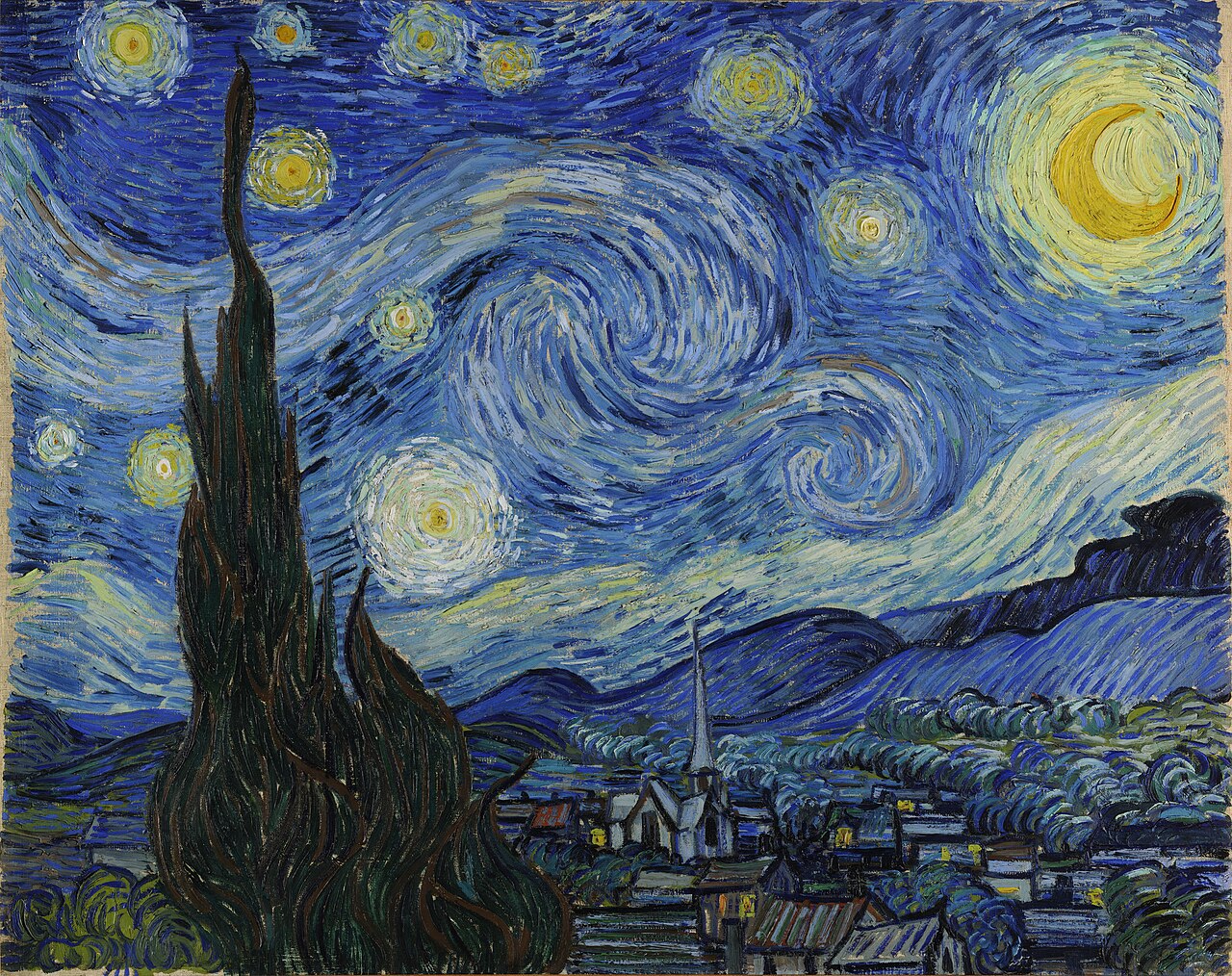
Still others say our fate is written in the stars.
I have come to believe that many events can be understood as natural processes. But I also believe a subtle divine spirit can work through and in the midst of these forces, drawing out unforeseen possibilities and experiences of grace.
In many Gospel stories, Jesus encounters people who assume that their condition must be God’s will. But he reminds them that God sends rain on the righteous and the unrighteous alike. And, embodying the divine spirit, he sees each person for who they are and who they can become. If someone is sick, he reaches out to heal them. If someone lives on the margins of community life, he invites them in. If someone feels they have no future, he says, “Follow me.” Rather than telling people to passively accept their situation as fate, he offers them the choices for a new direction.
I have seen amazing things happen when people are open to divine possibilities: when we accept our present condition for what it is, seek guidance about where to go next, and then follow as best we can.
I also believe many good things in our contemporary life happen for a very clear reason: people have chosen to do things that make a difference.
“Why were so many of us able to survive the COVID pandemic?”
“Because teams of dedicated scientists worked together to develop vaccines, just as scientists before them used their skills to prevent cholera, polio, measles, and many other diseases.”
“Why are so many people coming together to defend our democratic system?”
“Because our ancestors lived under rulers who abused their power for personal gain. Our ancestors created a political system meant to limit personal power and to treat every person and our institutions with respect. And generation after generation has taken its turn to preserve and advance that system.”
“Why are there groups of people who have come together to create food banks, medical clinics, recovery programs, preschools, and crisis centers?”
“Because people choose to care for one another.”
We may not be able to answer all our “Why?” questions. But we can answer many with confidence.


great piece on a tough topic, thank you Steve. You had me at your opener as I do a lot of driving with a nearly 4 year old!
This is the first year in many that I’m not doing a John Bugbee class 😞, but time & energy just aren’t working out for now.
Thank you for your inspiring blog.
Celie McGurk
LikeLike
Celie,
Thank you so much for the comment! Pretty impressive how a developing child is so damn inquisitive! Amazing how earnestly they want to know. Beautiful to see.
Funny you should mention John’s classes…I just joined him in another version of hell for the first time last week reading Milton’s Paradise Lost. Not sure if I will stick with it…complex verse for me…but I couidn’t help but give it a try.
Blessings to you and your household…grateful for our long running connection.
Steve
LikeLike
Wonderful that you are doing Paradise Lost with John! I thought long and hard about it — it was intriguing, but I just couldn’t do every week– I was used to every other week for the last few years. Plus I have a lot of commitments helping my daughter with child care for the aforesaid 3 1/2 year old and some minor travel. I hope you enjoy it. His classes are good for these aging brains! Peace, Celie
LikeLike