Last June I took my two grandsons to Glendale for a Mookie Betts baseball camp. We drove down the night before and spent the night at a motel. The next morning, we joined 200 young people and their families at a sports complex for a half-day of skill-building.
As the morning went on, some of the younger siblings got restless.
I was sitting in the stands when I heard some loud lamentations. I saw a little girl – I’m guessing she was three — two rows in front of me. Her mother was holding a Smartphone in front of her while conversing with another adult, but the little girl desperately wanted full control of it. “No, No, I have to hold it!!!” the little girl kept pleading with tears coming down her cheeks. Finally, the mother relented, let go and allowed her daughter to take control of the phone. The little girl’s breathing steadied and the tears stopped; a gentle smile came to her face.
What the little girl was expressing so effectively was a basic human desire – we see something we want and we strive to possess it. No doubt that’s a key to our survival as a species. It is a great feeling to obtain what we want; I can remember how excited I was as a teenager to get a new stereo system or later as an adult reaching some professional goal. Our current culture thrives on our desires, offering us many visions of what we need.
But if life is only about getting what we want, why do we find beauty in experiences of loss and longing?
This is the question behind a book I’m currently reading: Bittersweet: How Sorrow and Longing Make us Whole. I bought it recently after hearing the author, Susan Cain, speak at a leadership conference.[i] Bittersweet explores the experience of being drawn to such things as old photographs, songs that speak of loss, rainy days, seeking quiet beauty in art, and being willing to listen to others talk about past or current troubles. She notes there is great pressure in our society to be happy all the time — to be “melancholy” means there is something wrong with us. But she disagrees. She sets out to demonstrate that “bittersweet” experiences are vital to being human.
Cain has a life-long appreciation for the songs of Leonard Cohen, and she cites him often. As I was reading, I became vividly aware of my own attraction to music that creates poignant feelings – slow adagio movements in classical music and songs of lament in opera. Thinking of popular music, I could hear Paul McCartney singing…
Yesterday
All my troubles seemed so far away
Now it looks as though they’re here to stay
Oh, I believe in yesterday
Suddenly
I’m not half the man I used to be
There’s a shadow hanging over me
Oh, yesterday came suddenly
Why she had to go I don’t know
She wouldn’t say
I said, something wrong
Now I long for yesterday
Yesterday
Love was such an easy game to play
Now I need a place to hide away
Oh, I believe in yesterday
“My troubles are here to stay…there’s a shadow hanging over me…I long for yesterday…I need a place to hide away…” Who wants to hear someone sing about what’s making them sad? Turns out millions of us do.
Cain searches for reasons why we can be drawn to experiences of bittersweetness and melancholy. Along the way she integrates current psychological research with insights from the world’s philosophical and spiritual traditions. She discovers that such experiences help us acknowledge the ways in which life doesn’t always give us what we want. At the same time, we can sense within us a deep longing for some ideal state in which we can imagine all our wishes coming true. As we dwell in that gap, our hearts open. We feel the mystery and poignancy of life more deeply. That in turn awakens empathy and compassion in us, allowing us to feel a kinship with others. Sometimes this includes an awareness of the transience of life — that all we are experiencing will pass away:
“In fact, you could say what orients a person to the bittersweet is the heightened awareness of finality. Children splashing joyfully in puddles brings tears to grandparents’ eyes because they know that one day the children will grow up and grow old (and they won’t be there to see it). But those aren’t tears of sorrow, exactly; at heart, they are tears of love.” [ii]
Bittersweet experiences encourage creativity as we find new ways to express what we feel. They also grant us humility. If we think we are superior to everyone, we won’t really care about others. When our hearts open, we start caring.
I think of that little girl desperately wanting to hold the Smartphone and recognize something deep within me and all of us. I hear Paul McCartney singing “Yesterday” and I want to bow in appreciation, remembering my own regrets and losses. Desire is built deep within us and gives us purpose. Bittersweet experiences open us to the richness of life and bond us to each another. We benefit from both.
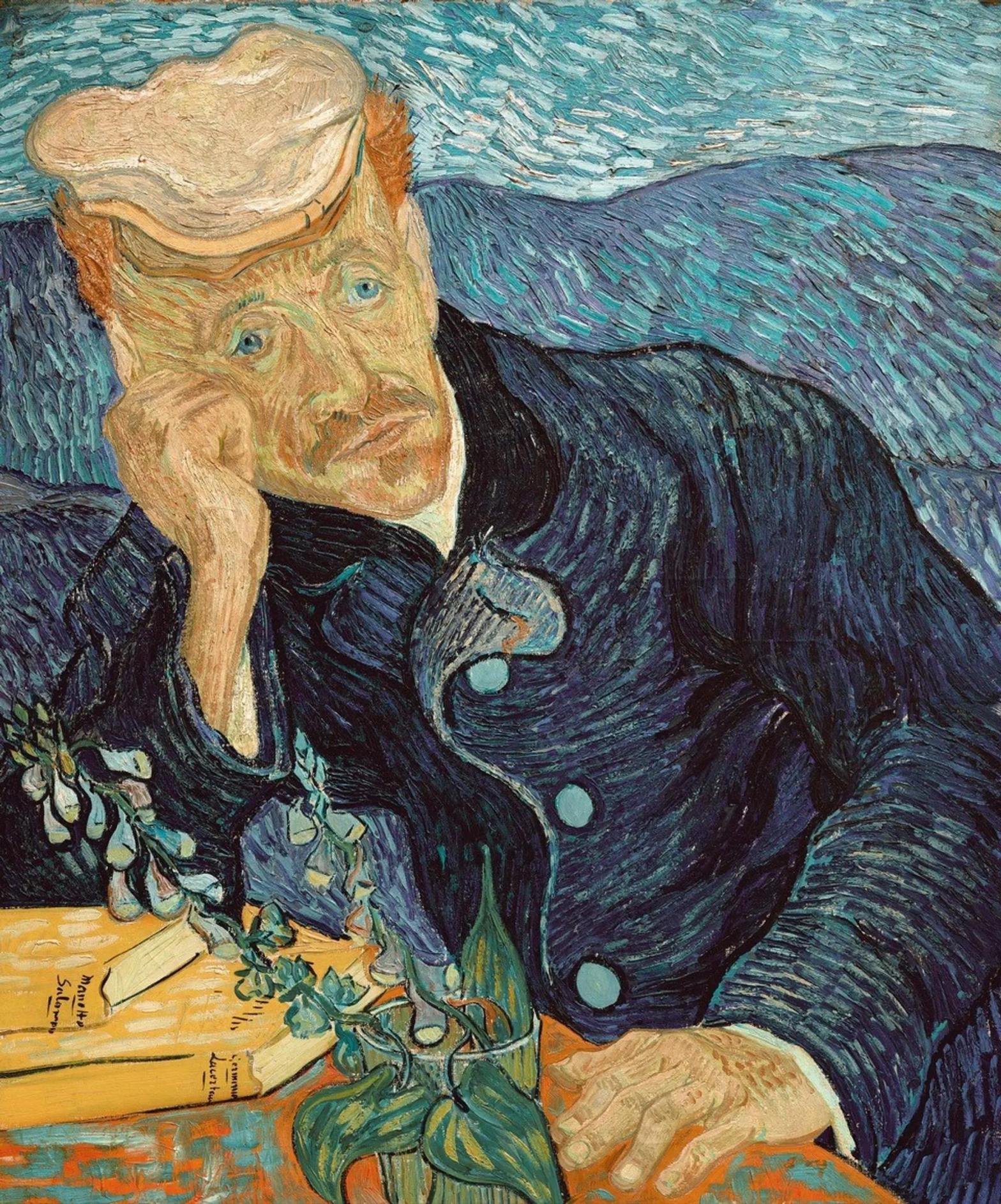
Lead Image: Van Gogh, “Portrait of Dr Paul Gachet”
[i] Her prior book was the best-seller: Quiet: The Power of Introverts in a World That Can’t Stop Talking.
[ii] Bittersweet, xxxiii


love this, Steve! Touched me where I am right now.
LikeLike
Alice:
I found this book and theme so important as a way to give ourselves permission to feel the paradoxes, ambiguities, challenges and beauty as we go throught life…especially as our years of experience accumulate. I’m grateful it resonated with you.
Steve
LikeLike