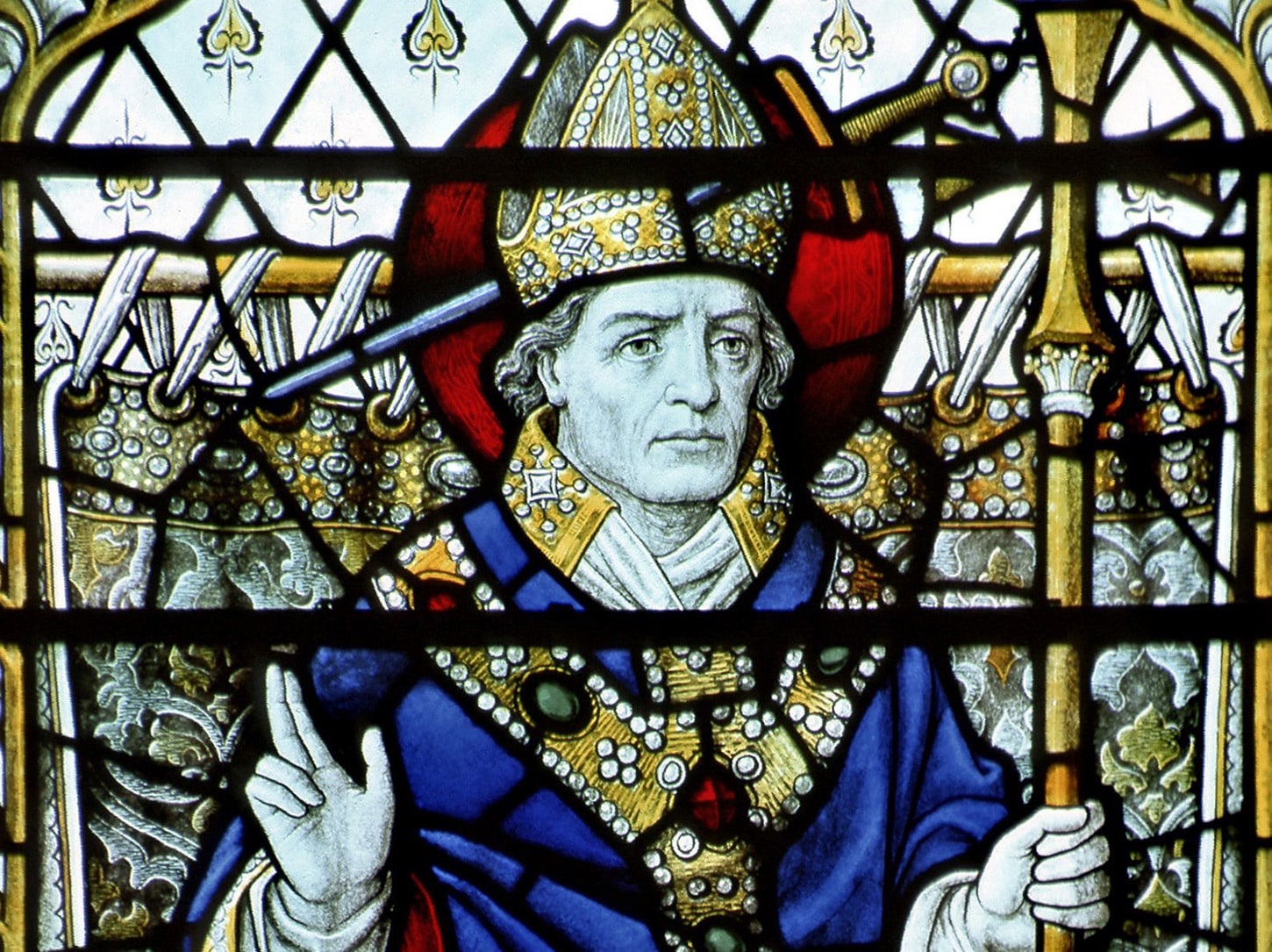
There is no shortage of monuments to saints and martyrs in England. This past week I joined the countless pilgrims who have gone to Canterbury Cathedral for 900 years to honor the memory and witness of Thomas Becket. I happened to be there when a top story in the news was “an exchange of perspective” between two powerful world leaders — one, the President of the United States, and the other, Pope Leo.
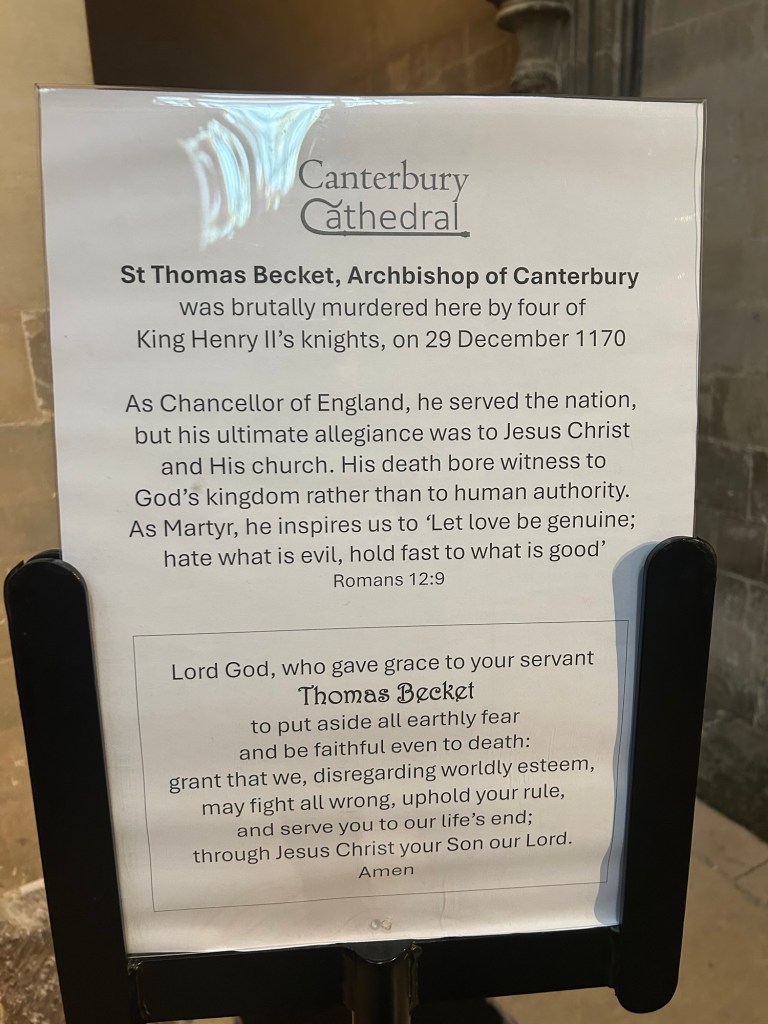
Thomas Becket had been a friend and advisor of Henry II. Henry appointed him to be Archbishop of Canterbury expecting Thomas would support whatever Henry wanted to do. But Becket took his vows seriously, and spoke out whenever he felt Henry was going astray. At one point, Henry expressed his frustration in the presence of four of his supporters and was heard to say: “Will no one rid me of this turbulent priest?” On December 29, 1170, the four men rode to the Cathedral, entered the area where Thomas was alone at prayer, and murdered him with their swords. Becket had stood firmly for spiritual principles in opposition to a willful ruler. He was made a saint.
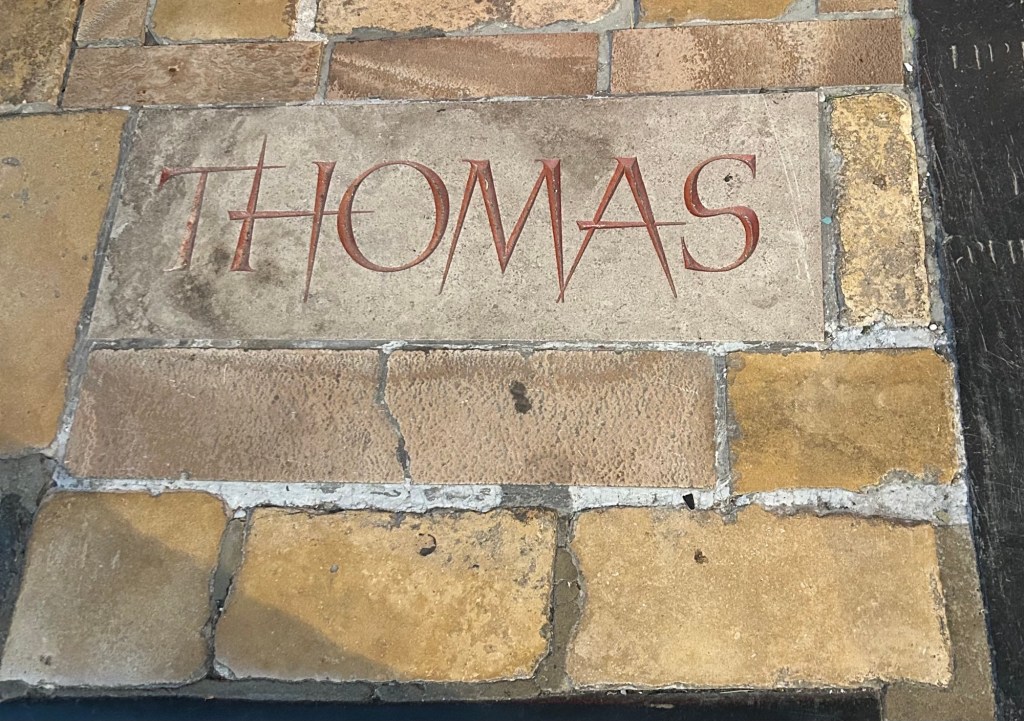
For centuries Becket’s tomb was on display at the end of the cathedral, where countless people came to pay their respects. I first visited that part of the sanctuary. I then came to the small side room where the actual murder occurred; his name is written on the floor:
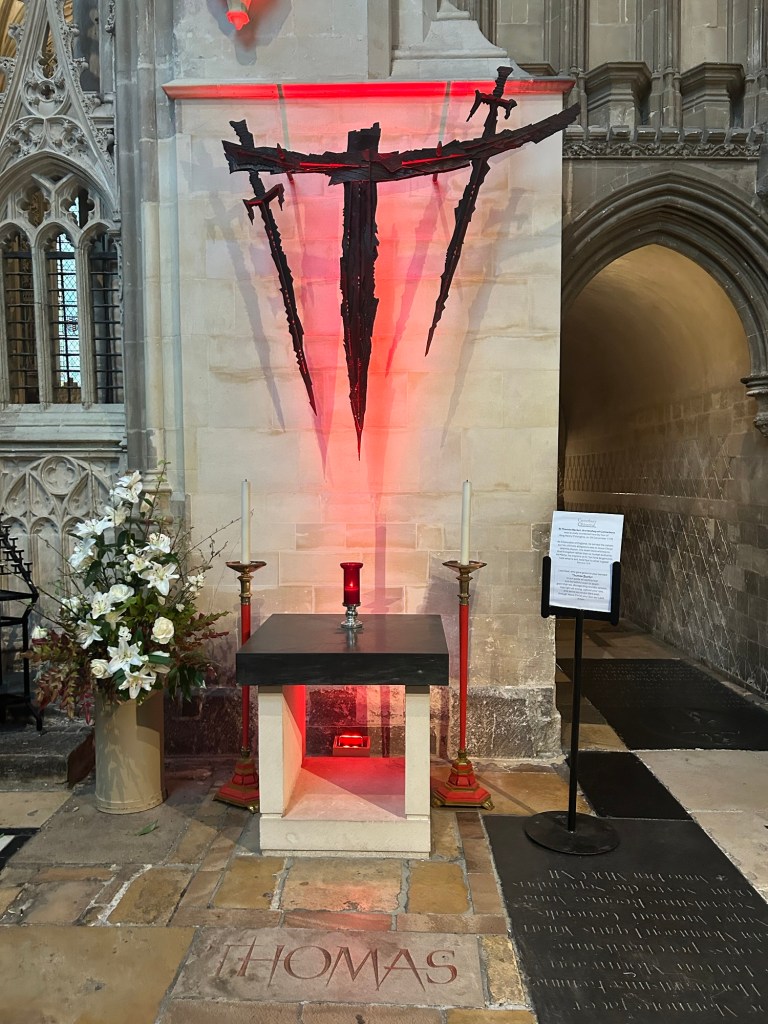
There is a sculpture above the spot consisting of a metal cross flanked by two swords with red tips representing blood. Light descends from above in such a way that the two swords create four shadows, one for each murderer:
On the wall nearby is a plaque:
Speaking truth to power is a tradition that goes back 3,000 years to the prophets of Israel. Willful leaders don’t like it, and more than once have wanted those who speak up to be silenced. But it is an essential element of spiritual integrity and of democracy. It is inspiring to stand in this sacred place and know the tradition continues in our own time through the voice of Pope Leo and others.


Steve,
I tried to comment but I somehow don’t know my password
Steve, Thank you for the post to remind us how the interplay and tension between humans exercising power and the divine powers at play require us to step up and voice what we believe is right action. I cherished our trip to England, and your knowledge and curiosity about the human experience throughout history. Kristen
>
LikeLiked by 1 person
Thanks! Such a gift to travel with you. Going to post some photos to FB shortly…
LikeLike