
I once attended a day-long retreat at La Casa de Maria, “Introduction to Meditation,” led by a well-respected teacher in the local Buddhist community. I’ve attended quite a few similar events over the years and I’m always curious to see how the leader presents the material.
On this day, I was impressed by the leader’s ability to make the material simple, clear and practical: how to get in the best posture, why your hands can be open on your lap, how to align your spine, what to do with the mental chatter, what to expect over time, etc.
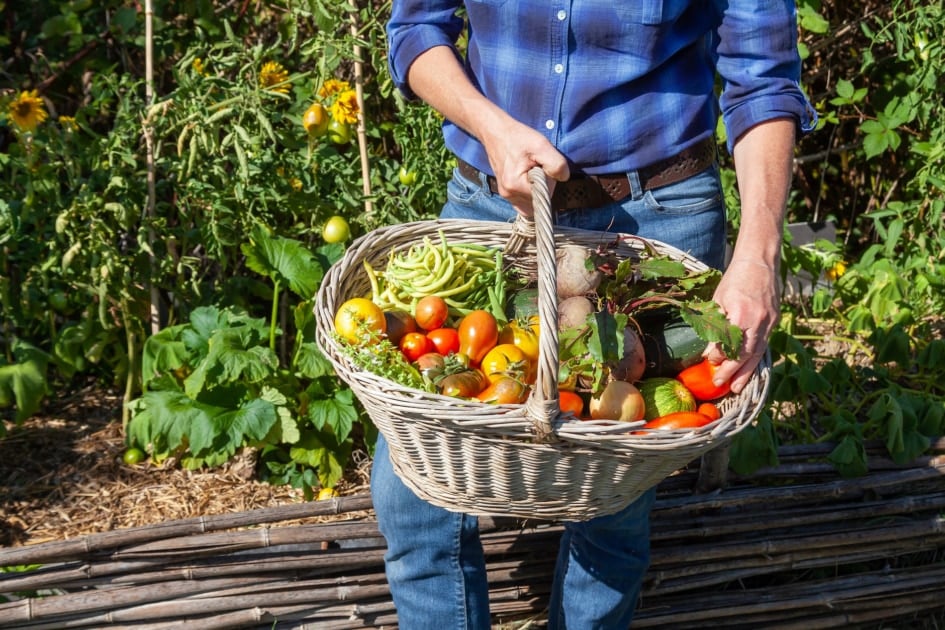
At one point in the afternoon, he spoke about why one would commit to making this an ongoing practice. He noted the personal benefits to our health, both physical and emotional. He then posed a classic question: if you think of your life like a small house with a fenced front yard, where do you plant your tree of spiritual practice? Do you locate it close to the house and away from the street so the fruits will be harvested only by you? Or do you plant it just inside your front fence, so that some of the branches grow inward and the other half outward, beyond your property line, inviting neighbors to share in your harvest?
After taking some time in silence for us to consider the question, he suggested that one of the most important measures of the value of our spiritual practice is how it impacts other people. The more calm, thoughtful, clear-minded and compassionate we are, the more we can benefit the life of others, not just ourselves.
This seems important to me. Our contemporary Western culture often focuses entirely on us as isolated individuals; many popular spiritual practices assume that our highest and sole purpose is to find personal peace and enlightenment. I think that is short-sighted. I believe spirituality can become a shiny word for narcissism. We may begin our practice with a focus on ourselves, but true spirituality draws us beyond ourselves toward serving others and the world.
When I began my ministry, I was living in a low-income area. A couple came to me wanting to get married but could not afford to pay the usual fees. I offered an option: instead of paying me or the church, they could do ten hours of community service together for a nonprofit of their choice, then report back to me. The couple chose to volunteer for Habitat for Humanity. When we next met, they told me how rewarding the “assignment” was. I encouraged them to remember that the purpose of marriage is not just to benefit the two making the commitment, but also to be of use to the broader community in which they lived. Looking back on my career, I wish I would have encouraged that practice with many other couples.
The most fruitful lives I have seen are those that include a commitment to serving others; the paradox is we can find deeper personal fulfillment doing that just endlessly focusing on ourselves.


Hi SteveI like your blog. Check out the last sentence. Is there a typo?Talk
LikeLike
Yes! Thanks for catching that. I corrected it.
Steve
LikeLike
Amen, brother
LikeLike