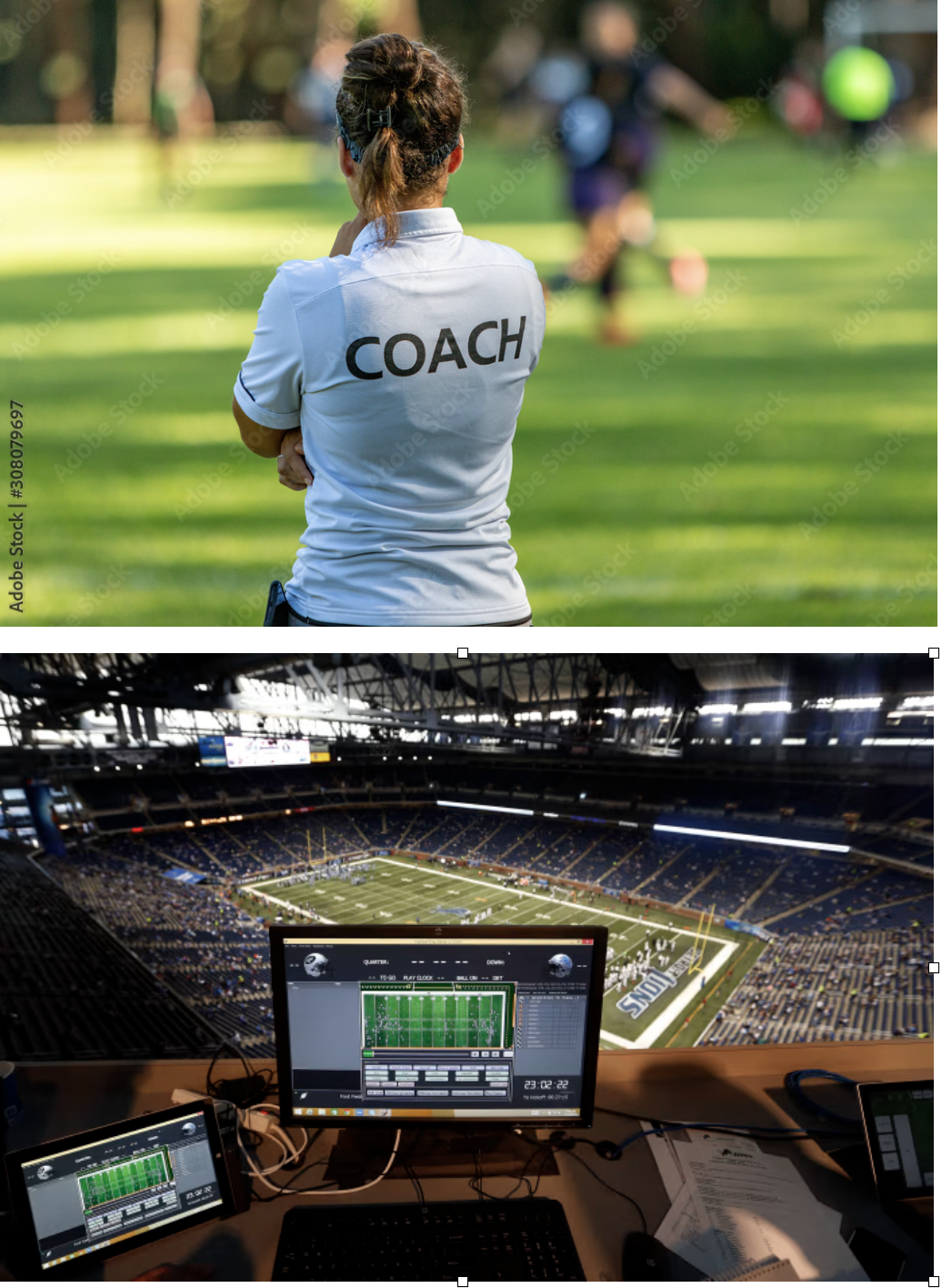
I once attended a prayer breakfast where the featured speaker was the legendary football coach Joe Gibbs. Gibbs had led the Washington Redskins (now the Commanders) to nine playoff appearances, four conference titles and three Super Bowl championships. After retiring as a coach, he became a television analyst. During the Q & A time, someone asked him to compare being a coach with being a TV analyst. Gibbs said being an analyst was much easier. When you are the coach, you have to make quick, irreversible decisions on the field, not knowing what the outcome will be. When you are an analyst, you can see what just happened and evaluate the coach’s decision from the comfort of the broadcast booth.
When you are a coach, you may be wrong. When you are an analyst, you can always be right.
What is true in sports is true in life. This can apply to relationships, parenting, work or any activity we engage in where we are responsible for the choices we make.
As years go by, it’s tempting to look back on decisions we made earlier in our life and be the all-knowing, wise analyst. We can focus on regrets:
- “I knew I should have bought that property back then – I can’t afford it now.”
- “If I could do my education over, I would have made other choices.”
- “Why didn’t anybody tell me how hard it is to be a parent?”
- “I should have known not to trust that person.”
… or we can focus on good choices and lucky breaks:
- “Meeting (that person) turned out to be one of the best things that ever happened to me.”
- “That was a hard lesson to learn, but my life has been better for having learned it.”
- “That has been one of the blessings in my life that I didn’t see coming.”
- “I once was lost but now am found; was blind, but now I see.”
Analysts can watch the replay and comment on it. Coaches must call the play.
What do the spiritual traditions say about this tendency?
I think all of them encourage us to be honest about our shortcomings and mistakes.
But they also encourage us to always seek a fresh start, no matter what has happened.
In both instances, we draw on the wisdom of our ancestors that has been passed on in Scripture and traditions. We also learn from others in our community who have faced similar situations and learned important lessons about life.
We need to embrace both roles. We need to be wise analysts of what works in life and what does not. But we also need to recognize that, in those moments when we must make an important decision, we may not have all the facts or all the time or a perfect knowledge of what the future may bring. We do our best and learn from it.

 Steve Jacobsen, Ed.D