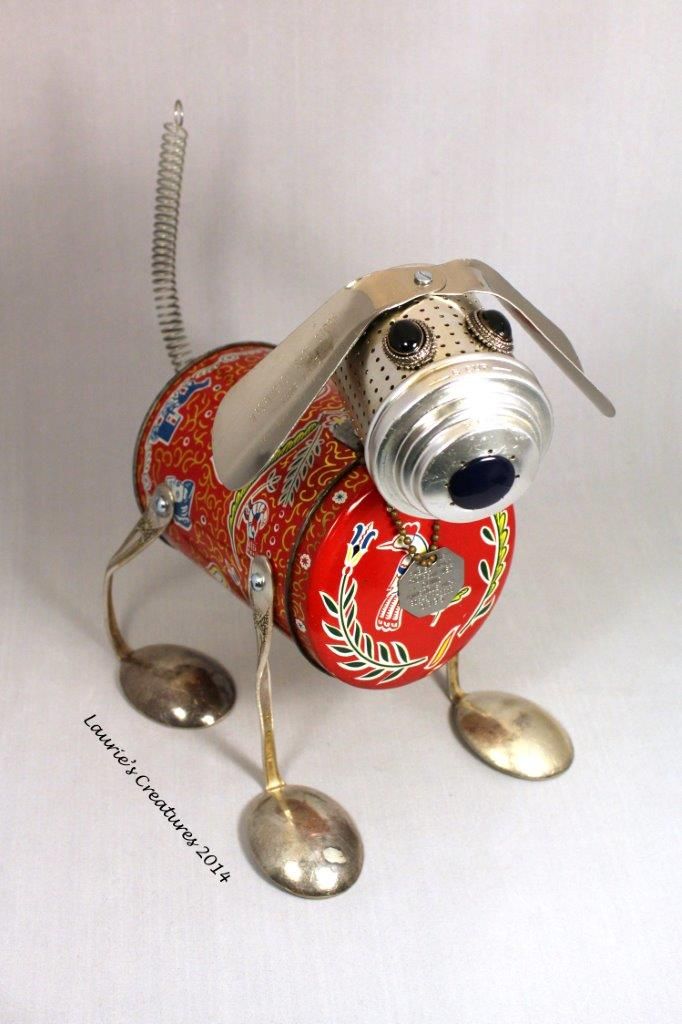
The great tennis player Arthur Ashe was headed to a speaking engagement and wasn’t sure what his theme should be. Then he saw this quote on the side of a bus: “Do what you can, with what you have, where you are.”He used it to give an effective presentation.
I heard this story at a nonprofit conference some years ago.
Apparently it’s been around for a long time –it’s often attributed to Teddy Roosevelt. And it does seem to hold some wisdom. We can get into situations when we feel we don’t have enough to face a problem and get lost in naming all the things that would make the situation easier. But the idea is to take stock of what resources we do have where we are and find a way to do something.
When I lived in rural Washington for several years, I learned farmers are used to being self-reliant, coming up with solutions that don’t require an outside expert. I grew to admire that attitude.
My father was a real estate broker and called his favorite tradespeople when a house needed repairs or upgrades. In addition to licensed plumbers, carpenters and electricians, he had people who were known as true “handymen.” Such folks could fix a problem in standard ways, but also could improvise solutions with the elements at hand. One of his favorite was a guy named “Orville” – I never heard a last name. My dad never hesitated to call on Orville to fix something and was often amazed at his creativity. In our family, “Orville” became not just a person’s name, but a word to describe coming up with innovative solutions – “Let’s put The Orville to it!” dad would say.
This perspective can be useful in areas of our life beyond things.
The rural town we lived in had a high poverty rate and parts of town were a mess in terms of litter and trash. One time the community organized a clean-up day. I showed up along with other neighbors. We were given surgical gloves and trash bags, and each assigned a part of town to cover. I remember coming up to a cigarette butt on the ground. Before that day, I would have passed it by with a sense of indignation. Instead, I reached down, picked it up, and dropped it in the bag. I felt a sense of liberation – instead of just complaining about it, I was “doing something with what I had where I was.” When we regathered, we all felt less helpless and more empowered.
This theme is also visible in the improvisational play of children. One of my congregations had a camping weekend. Our youngest daughter was concerned that “there would be nothing to do” away from the usual devices. But soon other families arrived. She met a friend from school. They came across an empty aluminum can that had some pebbles in it. They started kicking it back and forth in creative ways, creating different sounds, laughing all the way. It continued for 45 minutes. Do what you “can” with what you have, where you are.
I also think of this perspective when dealing with people who are ill or aged. It is easy to want to leave all personal needs to a nurse or an aide, but sometimes we can do simple things for someone. Crossing that invisible barrier between what our normal social conventions expect us to do can be freeing. People who are ill or aging often feel self-conscious and “untouchable,” but a simple and unexpected act by someone who is not paid to help them conveys honor and dignity as well as care.
There are many stories in spiritual traditions in which teachers make use of what is available in the moment to meet a need and make a point. In one story, Jesus encounters a blind man, “spat on the ground and made mud with the saliva and spread the mud on the man’s eyes, saying to him, “Go, wash in the pool of Siloam” (which means Sent). Then he went and washed and came back able to see.” The winning formula: common saliva, available soil and a dose of spiritual energy. And I remember a wedding meditation in which the celebrant read the story of the “Feeding of 5,000” (also known as the “Miracle of the Loaves and Fishes”). He said there will be times in any marriage when you don’t think you have enough to meet your needs. But look at what you have, give thanks, and see how to make the most of it.
Clearly there are times when we need professional help, experts, and the specially engineered part. But other times, we can take a deep breath and say, “What can I do right now with what I have in this place?”
Sculpture: “Dutch, Found Object, Junk Art,” Laurie Schnurer, 2014


Hi Steve, I love your post! I always feel naked if I don’t have a good handyman in my life. Luckily, my son has some natural instincts in that regard, so that helps. At least he’s willing to give it a try and usually is successful. My mom was very resourceful in the way that you’re describing. She was a nurse until she had me. A memory stands out: she was with me in Guatemala when we were picking up Antonio at nine months. We were in the Hotel room and we had bought a pastry but didn’t have a knife. So she used (after cleaning) her nail file. My sisters and I have inherited that and seem to come up with alternative ways to get something done in times of need and will be proud of it. And think of Mom.
LikeLike
Jan: Great to hear from you and thank you for this story about your mom. I think many nurses are innovative problem solvers by nature…what a wondeful trait in a mom. So glad you and Ann have reconnected. Steve
LikeLike
SteveI love this post.Wh
LikeLike